PRF vs. Traditional Fillers: The Natural Approach to Facial Rejuvenation
NJOY Clinical Team
November 15, 2025
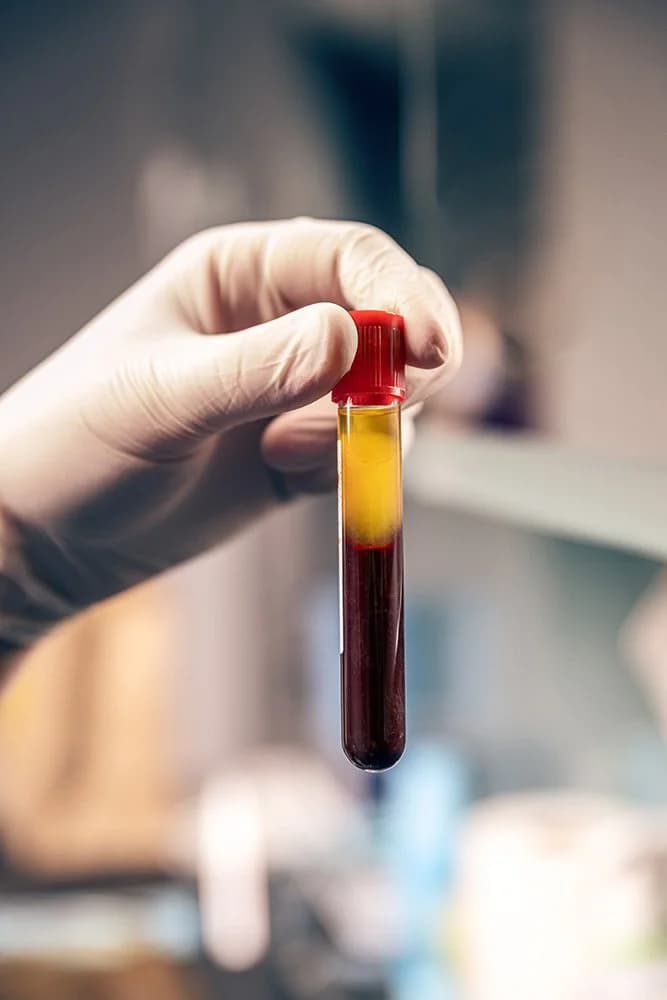
Platelet-Rich Fibrin (PRF) offers a 100% natural alternative to synthetic dermal fillers. Here is how it works and why more clients are choosing it.
The Filler Conversation Is Changing
Dermal fillers have been a cornerstone of aesthetic medicine for over two decades. Hyaluronic acid fillers like Juvederm and Restylane are effective, well-studied, and provide immediate results. But a growing number of clients are asking: is there a more natural option?
The answer is yes. Platelet-Rich Fibrin (PRF) uses your body's own growth factors to restore volume, improve skin quality, and stimulate collagen production — with no synthetic materials involved.
What Is PRF?
PRF is the next generation of platelet-rich plasma (PRP). A small blood sample is drawn and spun in a centrifuge at a specific speed that preserves more platelets, white blood cells, and stem cells than PRP processing. The result is a fibrin matrix rich in growth factors that your body recognizes as its own.
PRF vs. Hyaluronic Acid Fillers: A Comparison
Source Material
PRF: 100% your own blood. Zero risk of allergic reaction.
HA Fillers: Synthetic hyaluronic acid (biocompatible, but foreign material).
How They Work
PRF: Growth factors stimulate your body to produce its own collagen and new tissue. Results build gradually over 4-6 weeks.
HA Fillers: The gel physically fills the space. Results are immediate.
Results Duration
PRF: 12-18 months. Because PRF stimulates your own tissue regeneration, results can actually improve over time.
HA Fillers: 6-18 months depending on the product and area treated.
Best Uses
PRF: Under-eye hollows, skin quality improvement, fine lines, temples, and hands. PRF excels in delicate areas where natural-looking results are paramount.
HA Fillers: Lips, cheeks, jawline definition, nasolabial folds. Better for significant volume replacement.
Can You Combine Both?
Absolutely — and many clients do. HA fillers provide the structural volume and immediate result, while PRF improves the overall skin quality and longevity of the treatment. It is not an either-or decision; the two approaches complement each other beautifully.
What to Expect During a PRF Treatment
A small blood sample is drawn (similar to routine lab work). It is processed in a centrifuge for about 10 minutes. The resulting PRF is then carefully injected into the target areas using fine needles or cannulas. The entire appointment takes about 45-60 minutes.
Mild swelling and bruising are normal for 3-5 days. Final results develop over 4-6 weeks as your body builds new collagen and tissue in the treated areas.
Curious about PRF? Schedule a consultation to discuss whether PRF, fillers, or a combination approach is right for your goals.